
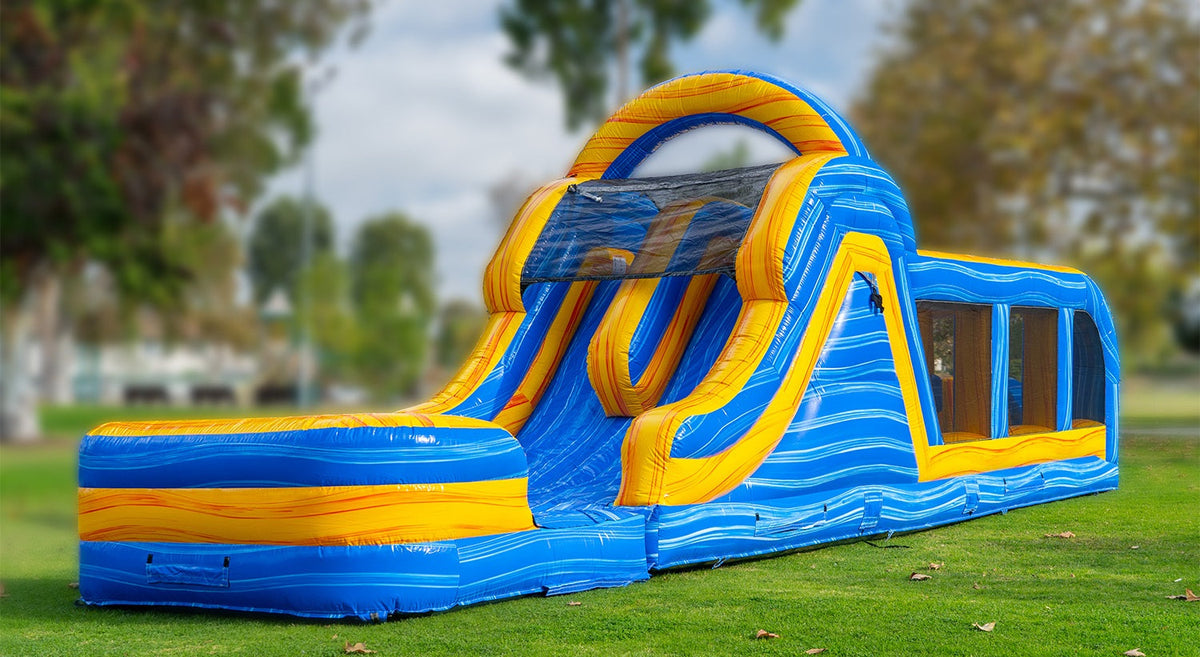
Faith-based organizations represent substantial opportunities for rental companies seeking stable, recurring revenue through annual event cycles. Churches host fall festivals, vacation bible school kick-offs, community block parties, and holiday celebrations requiring safe, reliable equipment and vendors understanding their community values. Building trust demands more than competitive pricing—it requires safety compliance, flexibility, and demonstrated commitment to supporting faith-based events.
Rental vendors successfully partnering with churches establish multi-year relationships built on transparency, quality, and shared values. These partnerships benefit both parties: churches reduce logistical burdens while rental companies offering commercial bounce house water slide equipment secure predictable income. Understanding how church leaders evaluate vendors is essential for developing effective trust-building strategies
Key Takeaways
- Church festival rentals prioritize safety compliance, reliability, and vendors who understand faith-based community values
- ASTM F2374 certification and comprehensive liability insurance are non-negotiable requirements for inflatable equipment
- Budget-conscious churches seek full-service solutions that reduce volunteer workload while maintaining quality
- Annual contracts develop through verified compliance, transparent pricing, and demonstrated understanding of faith-based events
- Successful vendors combine digital booking capabilities with sustainability initiatives that align with church missions
What Defines Church Festival Rentals and Their Unique Needs?
Church festival rentals encompass equipment and services supporting faith-based community gatherings. These events serve families, require extensive safety measures, and operate within constrained budgets funded by ministry allocations or volunteer fundraising. Churches need vendors providing bounce houses, obstacle courses, tents, tables, chairs, and full-service setup solutions aligning with their mission to create welcoming, safe environments.
Faith-based events mean rental vendors must balance affordability with quality while respecting church values and timelines. Churches often host events during weekends when facilities are in use for worship services, requiring flexible scheduling. Vendors demonstrating cultural sensitivity and understanding of religious community dynamics gain significant advantages in competing for annual contracts.
Who Are the Key Decision-Makers in Faith-Based Organizations?
PTA Presidents, School Administrators, HR Managers, and Church Leaders control rental vendor selection for institutional events. These decision-makers prioritize safety, community alignment, and vendors simplifying volunteer coordination. The average event planner age is 37-38, with 76% over age 30.
Demographically, 61.3% of US event planners are White, while 16.4% are Hispanic or Latino. Church leaders seek vendors demonstrating reliability, commitment to serving families, and transparent pricing respecting budget limitations.
What Event Types Commonly Use Church Festival Rentals?
Church events include fall festivals, vacation bible school kick-offs, community block parties, and holiday celebrations serving congregation members and local families. School events like field days, carnivals, fundraising events, and graduation celebrations frequently utilize rental equipment. Corporate events for team building and employee engagement represent another growing segment.
Commonly requested equipment includes bounce houses, obstacle courses, jousting arenas, tents, tables, and chairs. Churches hosting large outreach events may require dozens of tables and hundreds of chairs alongside multiple community inflatables. Bundled packages combining seating, shelter, and entertainment simplify planning for volunteer-run events and increase average order values.
How Do Budgeting Dynamics Influence Rental Choices for Churches?
School budgets remain constrained, relying heavily on fundraising. Budget setup costs per guest typically range from $3.00-$5.00, while premium setups exceed $9.00-$15.00+ per attendee. Churches face similar constraints, balancing memorable experiences against financial stewardship responsibilities.
These realities drive churches toward vendors offering transparent pricing without hidden fees. Full-service solutions, including delivery, setup, and teardown, provide value by reducing volunteer hours required. Rental companies offering multi-event discounts or bounce house insurance requirements transparency gain trust with cost-conscious decision-makers.
Why Is Trust Crucial for Building Long-Term Contracts with Churches?
Trust forms the foundation of annual contracts because churches cannot afford vendor failures, disappointing their communities. A single incident involving damaged equipment, delayed delivery, or safety violations can damage a church's reputation and undermine volunteer leaders' credibility. Churches invest significant time planning events serving spiritual and community-building purposes, making vendor reliability essential.
Long-term partnerships allow churches to reduce planning burden while rental companies benefit from predictable revenue and referral opportunities. Trust develops through consistent performance, transparent communication, and demonstrated understanding of faith-based priorities. Vendors viewing church clients as partners position themselves for multi-year agreements.
How Do Reliability and Safety Compliance Impact Vendor Relationships?
Reliability ranks among the top priorities, with 85% of customers considering it essential when selecting rental vendors. Safety compliance reaches even higher importance at 95%, reflecting institutional clients' liability concerns and duty to protect attendees. Churches hosting children's activities face heightened scrutiny and cannot risk partnerships with vendors cutting corners.
Vendors demonstrating consistent on-time delivery, properly maintained equipment, and how to evaluate the quality and durability of inflatable obstacle courses earn reputations, generating referrals within faith communities. Equipment failures create chaos for volunteer organizers and disappoint families. Rental companies that proactively communicate and resolve issues quickly build lasting trust, translating into recurring contracts.
What Role Does Understanding Church Community Values Play in Vendor Selection?
Church communities prioritize vendors respecting their values, supporting their mission, and demonstrating cultural sensitivity. Sustainability appeals to 72% of customers, reflecting growing environmental consciousness among faith-based organizations. Churches increasingly evaluate vendors' business practices, seeking partners whose operations align with stewardship principles.
Vendors investing time in understanding specific church cultures, denominational differences, and community demographics differentiate themselves from competitors. Some churches emphasize family-friendly entertainment exclusively, while others welcome broader options. Demonstrating flexibility and willingness to customize offerings shows respect, building loyalty beyond price comparisons.
How Do Churches Evaluate Full-Service Rental Solutions?
Churches prioritize full-service solutions for volunteer-run events because limited staff capacity makes logistics management challenging. Full-service vendors handle delivery, setup, and teardown, allowing volunteer coordinators to focus on program elements and attendee experience. This model proves especially valuable for churches lacking dedicated event staff.
Evaluating full-service vendors requires churches to assess total cost, including labor, transportation, and coordination fees beyond base rental rates. Transparent pricing itemizing all services helps decision-makers compare costs accurately. Vendors offering training for volunteer attendants or safety briefings add value, justifying premium pricing while reducing church liability concerns.
What Safety Standards Govern Inflatables and Equipment for Church Events?
Safety standards governing inflatables protect attendees while establishing liability boundaries for rental vendors and host organizations. Commercial inflatables must meet specific design, manufacturing, and operational requirements exceeding residential standards. Churches hosting events with inflatable entertainment face potential liability if the equipment fails or causes injuries.
Professional rental vendors maintain rigorous inspection and maintenance protocols, satisfying insurance requirements and industry best practices. Equipment damage rates average 22%, while maintenance costs consume approximately 30% of operational budgets. These realities underscore why churches must partner with established vendors rather than unverified sources offering below-market pricing.
What Is ASTM F2374 and Why Is It Critical for Faith-Based Rentals?
ASTM F2374 establishes the Standard Practice for Design, Manufacture, Operation, and Maintenance of Inflatable Amusement Devices used commercially. This comprehensive standard applies only to commercial-use inflatables, distinguishing them from ASTM F2729-covered residential units. Churches requiring proof of ASTM F2374 compliance protect themselves from liability while ensuring vendor professionalism and equipment quality.
The standard mandates structural integrity testing, proper anchoring systems, operational training, and regular maintenance protocols. Vendors certified under ASTM F2374 demonstrate commitment to water slide safety guidelines and professional operations, reducing risk. Churches should verify compliance documentation during vendor evaluation rather than accepting verbal assurances.
How Do Inspection and Maintenance Protocols Build Trust?
Mandatory inspection and maintenance protocols ensure equipment remains safe throughout its operational lifespan despite heavy use. Equipment requires regular examination for tears, anchor point wear, seam integrity, and blower functionality. Vendors maintaining detailed maintenance logs demonstrate operational discipline, reassuring church decision-makers about reliability and safety commitment.
Transparent maintenance records allow churches to verify equipment condition before finalizing rental agreements. Vendors offering to share recent inspection reports or equipment photos build confidence, reducing last-minute surprises. This transparency proves especially valuable when churches need the best sports inflatables for school and church rentals that withstand enthusiastic use by large groups.
Why Is Liability Insurance Essential for Church Rental Agreements?
Liability requirements for commercial inflatable operations protect both rental vendors and host organizations from financial catastrophe following accidents. Comprehensive insurance coverage addresses property damage, bodily injury, and legal defense costs exceeding hundreds of thousands of dollars. Churches frequently require vendors to name them as additional insured parties before permitting equipment on church property.
Insurance verification prevents churches from assuming risks that vendors should properly manage through commercial coverage. Reputable vendors carry substantial liability limits and provide certificates of insurance readily upon request. Understanding inflatable rental liability real lawsuit cases helps both parties appreciate why proper coverage is non-negotiable.
How Do Preferences and Priorities of Faith-Based Organizations Shape Rental Offerings?
Faith-based organizations shape rental offerings through their unique combination of family focus, budget consciousness, and community values. Churches seek entertainment appealing across age groups while maintaining wholesome, inclusive environments. These preferences drive demand for colorful bounce houses, obstacle courses suitable for competitions, and seating arrangements facilitating fellowship.
Quality and aesthetics matter to 62% of customers, reflecting churches' desire to create impressive events honoring attendees and volunteers. Churches also value vendors offering customization options, with 51% of customers desiring tailored solutions. Rental companies addressing these preferences through flexible packages and consultative sales approaches win contracts from competitors offering generic catalogs.
What Family-Friendly Features Do Churches Prioritize?
Churches prioritize inflatables and entertainment appropriate for children, families, and multi-generational gatherings. Equipment must feature vibrant colors, engaging themes, and safety features like enclosed netting and cushioned landing areas. Age-appropriate sizing ensures younger children participate safely while older youth enjoy challenging obstacle courses.
Family-friendly vendors understand church events serve community-building purposes beyond pure entertainment. Equipment facilitating cooperative play, team competitions, and shared experiences supports churches' relational missions. Vendors offering guidance on age-appropriate selections and safety supervision demonstrate expertise in building trust with volunteer coordinators.
How Important Is Vendor Flexibility and Customization for Church Festivals?
Vendor flexibility and customization address the unique scheduling, theming, and logistical needs of different faith-based organizations. Churches may request specific color schemes matching denominational traditions, early delivery accommodating weekend worship schedules, or package modifications fitting irregular budgets. Vendors willing to negotiate payment terms or offer multi-event discounts show understanding of nonprofit operational realities.
Customization extends beyond equipment selection to include setup configurations, staffing support, and contingency planning for weather-dependent events. Churches appreciate vendors who proactively suggest solutions rather than simply taking orders. This consultative approach positions rental companies as partners invested in event success.
What Role Does Quality and Scale of Equipment Play in Decision-Making?
Quality and scale directly impact attendee experience and event success, making them critical evaluation factors. Churches assess inventory quality and maintenance records to verify promised equipment matches actual condition. Faded inflatables, wobbly tables, or stained linens undermine event atmospheres and reflect poorly on church leadership.
Scale requirements vary significantly based on congregation size. Small churches may need 10-15 tables and 50-75 chairs, while larger community festivals require dozens of inflatables and seating for hundreds. Vendors maintaining diverse inventory capable of scaling from intimate gatherings to massive celebrations appeal to churches anticipating growth or hosting varied event types.
How Do Pricing Structures and Hidden Costs Affect Church Festival Rental Contracts?
Pricing structures and hidden costs significantly influence church rental decisions because budget transparency builds trust while surprise fees damage relationships. Churches operating within fixed ministry budgets cannot absorb unexpected charges for delivery, setup labor, or damage waivers. Vendors providing comprehensive quotes detailing all costs help church treasurers secure proper funding approvals.
Hidden costs erode trust and prevent annual contract renewals regardless of equipment quality. Churches comparing vendor quotes evaluate total cost, including delivery, setup, teardown, and potential fees, rather than simply comparing base rental rates. Transparent pricing demonstrates respect for church financial stewardship and positions vendors as trustworthy partners.
What Are Typical Cost Tiers for Tents, Tables, Chairs, and Inflatables?
Budget chair rentals range from $2-$3.50 each, while premium Chiavari chairs cost $75-$90 per chair. Standard bounce houses rent for $150-$250 per day, while large combo units command $255-$495 daily. Small 10x10 canopies cost $50-$100, whereas large festival tents exceed $6,000.
National average inflatable rental cost reaches $312 per day, with typical ranges from $240 to $406 depending on size and features. Churches budgeting for multi-day events must factor rental duration into total costs. Vendors offering weekend rates or multi-day discounts provide budget-friendly options, encouraging longer rental periods.
How Do Delivery, Setup, and Teardown Fees Influence Total Cost?
Delivery fees range $20-$150 based on the distance from vendor facilities to church locations. Setup and teardown labor costs add $50-$200+ depending on equipment complexity and site accessibility. These fees can represent 20-30% of total rental costs, significantly impacting budget-conscious churches.
Vendors clearly separating these fees in quotes allow churches to understand cost drivers. Some churches opt for reduced-service rentals where volunteers handle setup to minimize costs. Understanding what type of insurance do you need for inflatables helps vendors explain why professional setup justifies additional fees through liability protection.
What Should Churches Consider When Comparing Vendor Quotes?
Churches should evaluate the total cost, including delivery, setup, teardown, and potential damage fees, when comparing vendor quotes. Base rental rates mean little if hidden charges inflate final invoices. Churches must also assess equipment quality, vendor reputation, and service reliability beyond price comparisons.
Request recent photos of actual inventory to verify equipment condition matches marketing materials. Check vendor liability insurance coverage and ASTM F2374 compliance documentation before finalizing contracts. Churches prioritizing long-term partnerships should weigh vendor responsiveness, flexibility, and community involvement alongside pricing.
What Competitive Strategies Enable Rental Companies to Succeed with Churches?
Competitive strategies enabling rental company success with churches combine operational excellence, value alignment, and relationship-building beyond transactional interactions. Successful vendors position themselves as ministry partners supporting church community engagement rather than simply equipment suppliers. This approach requires understanding faith-based organizational culture, budget constraints, and decision-making processes.
Differentiation through safety certifications, sustainability initiatives, and digital convenience addresses evolving church priorities. Vendors demonstrating genuine investment in client success through consultative sales, flexible terms, and reliable execution earn referrals, driving growth. Market consolidation trends favor "one-stop-shop" providers offering comprehensive solutions, reducing vendor management complexity.
How Does Digital Transformation Impact Faith-Based Client Engagement?
Digital transformation enables convenient online booking preferred by 54% of customers. Churches appreciate vendors offering digital catalogs, real-time availability checking, and online payment processing, simplifying coordination. Digital tools reduce phone tag and email delays, allowing busy church administrators to research options and secure rentals efficiently.
Globally, 54% of rental activity occurs digitally, reflecting broader consumer expectations for seamless online experiences. Vendors investing in user-friendly websites, mobile responsiveness, and digital contract signing demonstrate operational sophistication appealing to younger church leaders. Digital platforms also facilitate transparent pricing and package customization, building trust.
What Advantages Do Consolidated "One-Stop-Shop" Providers Offer Churches?
Consolidated one-stop-shop providers simplify church event planning by offering a comprehensive inventory spanning tents, seating, inflatables, and concessions. Managing single vendor relationships reduces coordination complexity for volunteer-led committees. CORT achieves 12-16% higher average order values through comprehensive solutions addressing diverse event needs.
One-stop-shop models reduce delivery fees, setup coordination challenges, and vendor communication overhead. Churches benefit from consistent quality standards, unified insurance coverage, and single-point accountability. Vendors pursuing this strategy must maintain broad, well-maintained inventory and demonstrate expertise across equipment categories.
How Do Sustainability Initiatives Align with Church Values and Rentals?
Sustainability initiatives align with church values, emphasizing environmental stewardship and responsible resource management. The eco-friendly equipment segment grows at 28% year-over-year as churches increasingly evaluate vendor environmental practices. Churches appreciate rental models, reducing waste compared to purchasing single-use decorations.
Vendors highlighting equipment longevity, maintenance practices extending useful life, and recycling programs appeal to environmentally conscious congregations. Some churches specifically seek solar-powered lighting, recycled materials, or local sourcing, minimizing transportation emissions. Communicating sustainability efforts demonstrates value alignment, strengthening vendor-church partnerships beyond price and convenience.
What Actionable Steps Do Churches and Vendors Take to Establish Multi-Year Rental Contracts?
Establishing multi-year rental contracts requires deliberate relationship-building, performance verification, and mutually beneficial agreement structures. Churches benefit from price stability, priority scheduling, and reduced planning burden when committing to preferred vendors. Vendors gain revenue predictability, improved capacity planning, and referral opportunities within faith community networks.
Successful multi-year agreements balance flexibility, accommodating changing church needs with commitments ensuring vendor resource allocation. Both parties must approach negotiations collaboratively, seeking win-win structures. Transparency regarding capabilities, limitations, and expectations prevents misunderstandings damaging trust.
How to Verify Vendor Compliance and Insurance for Long-Term Trust?
Churches must verify compliance and insurance before signing multi-year agreements or hosting initial events. Request current certificates of insurance showing adequate liability coverage and additional insured endorsements. Confirm ASTM F2374 certification for all commercial inflatables through documentation review rather than verbal assurances.
Check vendor business licenses, safety training certifications, and maintenance protocols through direct requests and reference conversations. Reputable vendors readily provide documentation demonstrating professional operations. Churches should verify insurance renewals annually to ensure continuous coverage throughout multi-year contract periods.
What Evaluation Criteria Ensure Value and Reduce Volunteer Workload?
Churches should request recent photos of equipment to verify actual condition matches marketing representations. Evaluate total cost structures, including all fees, to ensure transparent pricing. Assess vendor responsiveness during inquiry and proposal phases as indicators of ongoing communication quality.
Prioritize vendors offering full-service solutions, minimizing volunteer coordination and setup responsibilities. Consider vendor flexibility regarding scheduling, payment terms, and customization, accommodating unique church needs. Understanding how to price your combo bounce house with slide rentals helps churches evaluate whether vendor rates reflect fair market value.
How Can Negotiation Foster Loyalty and Improve Service Offerings?
Churches should negotiate multi-event or multi-year contracts, securing discounted rates and priority scheduling during peak seasons. Vendors benefit from guaranteed revenue, allowing better capacity planning and inventory investment decisions. Volume commitments justify preferential pricing while ensuring churches receive consistent service quality.
Negotiate performance guarantees specifying equipment condition, delivery windows, and issue resolution protocols. Include agreement review clauses allowing adjustments based on changing needs or market conditions. Collaborative negotiation builds mutual respect and positions both parties as partners invested in relationship success.
Integrating Church Festival Rental Priorities with Service Strategies for Lasting Partnerships
Church festival rental success requires integrating safety compliance, value transparency, and community alignment throughout vendor operations. Rental companies building trust with faith-based organizations demonstrate reliability through consistent equipment quality, on-time delivery, and proactive communication. Understanding church budgeting constraints, volunteer coordination challenges, and family-friendly entertainment preferences allows vendors to design compelling service packages supporting ministry missions.
Long-term partnerships develop when vendors view churches as valued partners deserving customized solutions rather than standardized offerings. Digital booking convenience, sustainability practices, and full-service models address evolving church expectations while differentiating vendors in competitive markets. By aligning operational practices with faith-based values and demonstrating genuine investment in event success, rental companies earn annual contracts generating stable revenue and community impact.
Vendors like JumpOrange support rental businesses serving faith-based organizations through safety-certified equipment, reliable logistics, and business mentorship, helping operators build profitable, values-aligned enterprises. Churches and rental companies both benefit when partnerships prioritize trust, transparency, and shared commitment to creating memorable, safe community experiences. Multi-year contracts represent the natural outcome when vendors consistently deliver exceptional service reflecting church priorities and community values.
Win the Contracts Churches Actually Sign
Faith-based organizations book the vendors they trust, season after season. That trust starts with equipment that holds up to hundreds of kids, documentation you can hand over without hesitation, and a partner who shows up on time every event. JumpOrange builds rent-grade bounce house inflatables that meet the safety standards church leaders ask about, backs you with reliable logistics, and gives you the business guidance to turn one fall festival into a multi-year agreement. Equip your rental business to become the name churches recommend to each other. Contact our team to discover how we support rental businesses serving churches and community organizations.



Leave a comment
This site is protected by hCaptcha and the hCaptcha Privacy Policy and Terms of Service apply.