Sports team rentals deliver essential furniture, entertainment, and setup services for athletic celebrations and competitive gatherings. These specialized solutions support informal end-of-season parties to multi-day tournament events requiring coordinated logistics. Understanding available options helps coaches, parents, and organizers select appropriate equipment while managing budgets.
The youth sports market reached $62 billion in 2026 and is projected to reach $154.5 billion by 2035, creating expanding opportunities for rental providers offering tournament-ready sports inflatables for team celebrations, competitive tournaments, and community sporting events.
Key Takeaways
- Sports team rentals include essential items like chairs, tables, and tournament inflatables for athletic celebrations
- End-of-season parties strengthen team bonds and community engagement in youth sports
- Rental needs differ between celebratory events and competitive tournaments based on duration and formality
- Pricing ranges from $3-$5 per guest for budget setups to $9-$15+ for premium configurations
- Strategic partnerships with community organizations expand booking opportunities across multiple event types
What Are Sports Team Party Rentals and Their Key Features?
Sports team party rentals encompass furniture, equipment, and entertainment designed for athletic events and celebrations. These services simplify planning by providing complete setup solutions tailored to team sizes and venue requirements. Rental packages typically include seating, tables, shade structures, and optional entertainment elements accommodating participants and spectators.
Professional delivery and setup services eliminate logistical challenges for volunteer organizers managing multiple responsibilities. Most providers offer flexible booking terms accommodating weather contingencies and schedule changes common in youth sports.
Which Items and Services Are Essential for Sports Team Events?
Seating options form the foundation of any sports team celebration or tournament setup. Plastic folding chairs provide affordable, weather-resistant seating for outdoor gatherings. Chiavari chairs offer an elevated presentation for formal banquets and awards ceremonies.
Table selection depends on event format and available space. Banquet tables facilitate buffet-style serving and provide ample surface area for food displays. Round tables encourage conversation and create intimate dining atmospheres. Farmhouse tables deliver rustic aesthetic appeal while accommodating multiple guests.
How Do Rental Needs Differ for End-of-Season Celebrations vs. Tournaments?
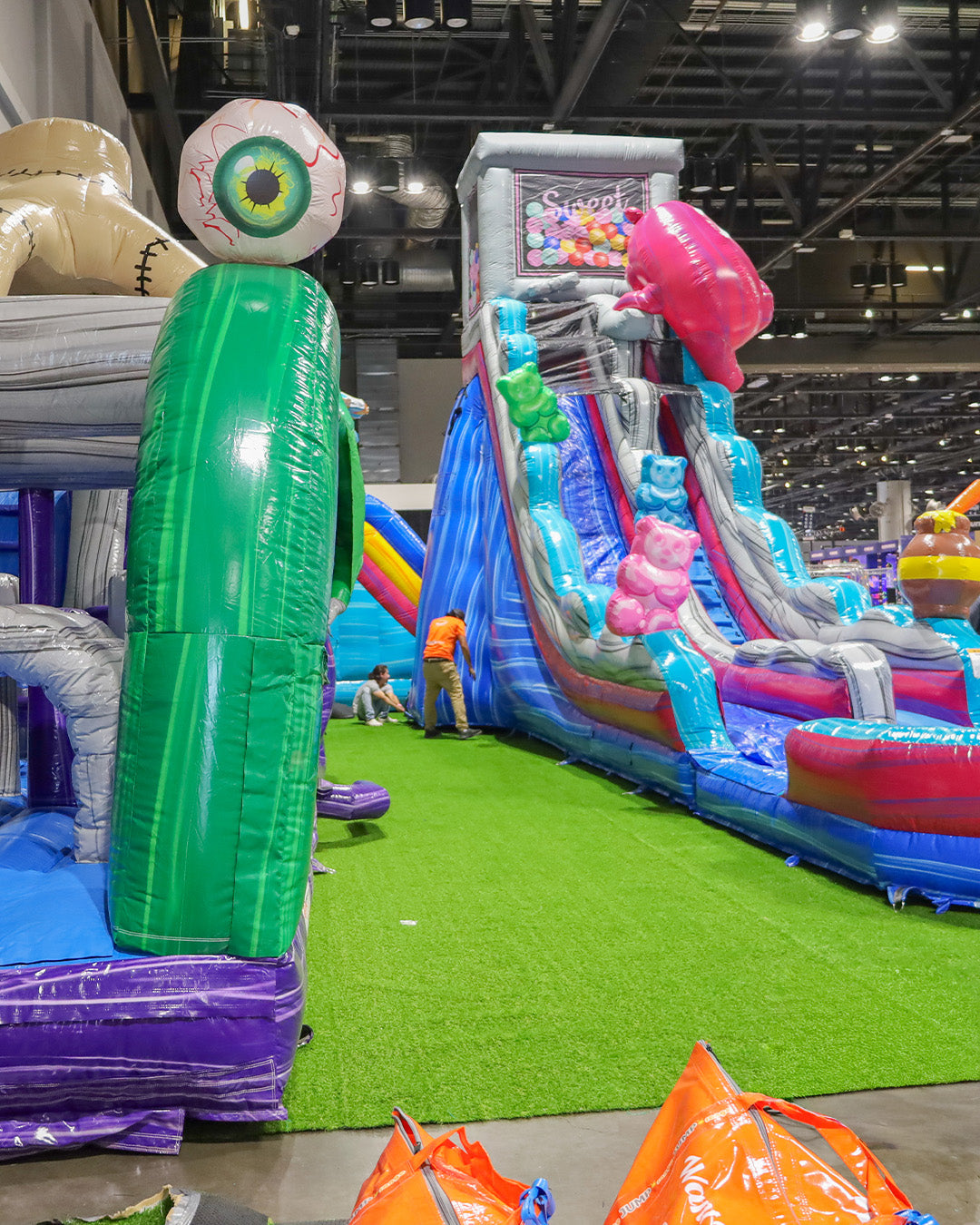
End-of-season parties emphasize social interaction and typically require comfortable seating with flexible dining arrangements. These celebrations prioritize team bonding through casual atmospheres using budget-friendly options like folding chairs and rectangular tables. Entertainment elements such as sports inflatables extend engagement beyond structured activities and create memorable experiences for young athletes.
Tournament events demand functional setups supporting extended durations and accommodating rotating participant schedules. These gatherings need weather-appropriate shade structures, durable furniture withstanding high traffic, and efficient layouts facilitating smooth event flow across a full field of play. Organizers often select mid-range or premium options, balancing durability requirements with per-guest cost considerations.
What Are Common Venue Types and Setup Requirements?
Public parks represent the most frequent venue choice for team celebrations due to accessibility and minimal facility costs. This outdoor space requires transportable furniture, weather protection through tents or canopies, and self-contained setups independent of permanent infrastructure. Setup crews must account for uneven terrain and limited electrical access when planning equipment placement.
Indoor sports facilities offer climate-controlled environments, eliminating weather concerns while providing existing amenities like restrooms and parking. School gymnasiums, community centers, and recreation complexes accommodate larger gatherings with built-in conveniences supporting catered meals and presentations. Rental configurations for indoor venues emphasize aesthetic presentation over weather resistance, allowing broader furniture style selections.
Why Are End-of-Season Celebrations Important for Youth Sports Teams?
End-of-season parties provide formal closure, recognizing athletic effort and celebrating achievements throughout competition seasons. These gatherings strengthen relationships between teammates, coaches, and families through shared celebration and reflection. Recognition ceremonies acknowledge skill development, sportsmanship, and personal growth beyond competitive outcomes.
Structured celebrations create lasting memories associated with positive athletic experiences that encourage continued sports participation. Awards presentations, photo opportunities, and informal social time reinforce community connections supporting youth development programs.
How Do These Events Enhance Team and Community Engagement?
Team celebrations build cohesion by acknowledging collective effort and individual contributions in supportive, non-competitive environments. These team building moments help athletes develop social connections extending beyond practice schedules, creating friendships that strengthen team culture and program retention. Parents and siblings participate in athletic communities, forming networks supporting future seasons.
Community engagement increases when local businesses sponsor team events or provide venues for celebrations and tournaments. The youth sports market demonstrates 10.68% annual growth, reflecting expanding community investment in athletic programs. These partnerships create visibility for sponsors while providing teams with affordable celebration options.
What Role Do Parents and Organizers Play in Planning?
Parent volunteers coordinate logistics, including venue selection, rental procurement, and day-of-event setup. These organizers balance budget constraints with the desire to create meaningful experiences honoring young athletes' seasonal commitments. Effective planning requires coordinating with rental providers, securing food service, and managing RSVPs.
Coaches provide input on event timing, award selections, and program content reflecting team culture. Organizers increasingly rely on turnkey rental packages, simplifying decision-making and reducing planning time. Professional setup services prove valuable when organizers lack equipment, transportation, or assembly experience.
Which Experience Elements Are Most Valued by Participants?
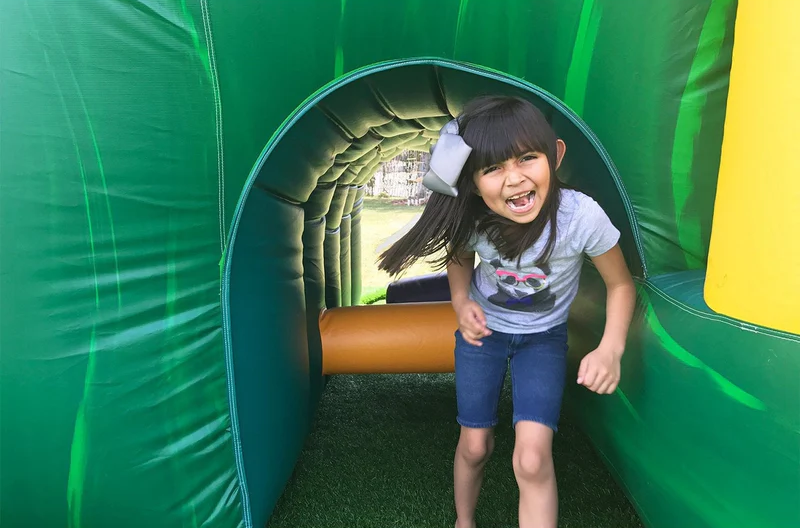
Athletes prioritize social interaction with teammates in relaxed settings distinct from competitive or practice environments. Fun activities like an obstacle course, inflatable games, and photo opportunities create memorable moments, strengthening team identity. Food quality and variety receive high importance, with buffet-style serving accommodating dietary preferences.
Parents value recognition ceremonies acknowledging individual growth and team accomplishments. Professional presentation through quality furniture and organized event flow reflects respect for athletes' efforts. Younger siblings appreciate inclusive entertainment options, keeping entire families engaged during celebrations.
How Can Event Marketers Effectively Target Sports Team Rentals?
Effective marketing for sports team rentals requires understanding decision-maker demographics and preferred communication channels within athletic communities. Youth sports organizers span multiple generations with distinct media consumption habits and purchasing priorities. Targeted outreach combines digital platforms reaching younger parents with traditional channels trusted by older volunteers.
Messaging should emphasize convenience, transparent pricing, and complete package solutions addressing time constraints facing volunteer organizers. Case studies demonstrating successful team celebrations and tournament support build credibility within local sports communities.
Which Generational Preferences Impact Rental Choices?
Gen Z and Millennials now account for 32% of total consumer spending in 2025, increasing from 24% in 2020. These younger parents prioritize mobile-friendly booking platforms, social media communication, and digital reviews when evaluating rental providers. Seamless online experiences with instant pricing and availability information match their expectations.
Baby Boomers control 70% of U.S. disposable income despite a declining overall spending share from 43.7% to 33.7%. This generation values direct phone communication, detailed written proposals, and established business relationships. Personal referrals from fellow coaches and league administrators significantly influence their purchasing decisions more than digital advertising.
What Regional and Seasonal Patterns Affect Booking?
Rural communities demonstrate distinct communication preferences when planning athletic events and team celebrations. Local newspapers reach 42.2% of rural residents seeking community event information, while social media reaches only 19.8%. Email communication captures 14.7% of this audience, indicating multi-channel approaches work best.
Peak outdoor event demand occurs from June through August when weather permits field sports and outdoor gatherings. Fall seasons see increased bookings for indoor celebrations as football, soccer, and volleyball programs conclude competitive schedules. Winter months require pivoting to corporate events and indoor athletic tournaments, maintaining rental business viability.
How Do Digital and Traditional Channels Support Outreach?
Nextdoor and similar hyperlocal platforms enable targeted outreach to neighborhood communities organizing youth sports activities. These digital channels facilitate peer recommendations and community discussions where organizers seek vendor suggestions from trusted local sources. Platform engagement requires authentic participation in community conversations.
Community bulletin boards at recreation centers, schools, and local businesses maintain effectiveness for reaching sports families in suburban and rural markets. Printed flyers and posted contact information capture parents during facility visits for practices and games when event planning occurs. Combining digital presence with physical marketing materials ensures visibility across generational preferences.
What Are the Key Components of Successful Sports Team Rental Packages?
Successful rental packages balance essential equipment with optional upgrades, allowing organizers to customize celebrations within budget parameters. Core components include appropriate seating, tables, and weather protection scaled to expected attendance and venue characteristics. Add-on services like professional setup, teardown, and specialized entertainment expand package value while simplifying coordination.
Transparent pricing showing per-guest costs helps volunteer organizers compare options and justify budget requests to team families. Flexible booking terms accommodating weather postponements and schedule changes prove essential for outdoor athletic events.
How Does Customization Influence Consumer Satisfaction?
Customization ranks as a priority for 82% of consumers selecting event rental services. Sports teams appreciate personalized touches like color-coordinated linens, matching team colors, or themed decorations reflecting athletic achievements. Rental providers offering modular packages with selectable components satisfy diverse preferences while maintaining operational efficiency through standardized inventory.
Team celebration gear, including banners, awards displays, and branded table decorations, creates cohesive event atmospheres honoring specific athletic programs. Providers partnering with marketing specialists understand how visual presentation elevates perceived event quality and strengthens customer satisfaction regardless of budget tier.
What Pricing Models Are Used for Different Setup Tiers?
Budget setups utilize plastic folding chairs at $2-$3 each and banquet tables at $8-$12 each for functional, affordable celebrations. These configurations deliver $3-$5 per guest costs suitable for casual team gatherings and large tournament hospitality areas. Basic packages meet essential needs without aesthetic enhancements.
Premium setups feature Chiavari chairs at $8.50-$9.45 each and farmhouse tables at $75-$90 each for elevated presentation. Per-guest costs reach $9-$15+ when including quality linens and decorative elements for formal awards banquets. Mid-range options balance function and aesthetics using resin-padded chairs at $4.25-$5 each and round tables at $10-$15 each.
How Important Are Delivery and Setup Services?
Delivery and setup services rank as priorities for 80% of consumers booking event rentals for team celebrations. Professional logistics eliminates transportation challenges for volunteer organizers lacking appropriate vehicles or equipment handling experience. Setup crews ensure proper furniture arrangement, safety compliance, and timely readiness before guest arrivals.
Delivery, setup, and labor fees add $50 to $200+, depending on event size, location distance, and complexity. These services prove particularly valuable for multi-day tournaments requiring coordinated equipment rotation across competition schedules. Rental providers emphasizing reliable logistics differentiate themselves in competitive markets where convenience drives purchasing decisions.
How Do Neighborhood Block Parties Relate to Sports Team Rentals?
Neighborhood block parties, family reunions, and sports team celebrations share similar rental requirements, including outdoor furniture, shade structures, and entertainment options. Both event types emphasize community building through shared experiences and casual social atmospheres accommodating mixed-age attendees. Cross-marketing these complementary services expands customer bases and maintains steady bookings across seasonal fluctuations.
Many youth sports families organize or attend block parties during the summer months when athletic seasons pause. Rental providers serving both markets maximize equipment utilization and build year-round relationships with community organizers.
What Marketing Strategies Support Both Event Types?
Block party bundles offering essential rentals at discounted rates simplify planning for neighborhood committees and sports team organizers. These packages typically include tent or canopy coverage, mixed seating options, and basic table configurations scaled to expected attendance. Themed inflatables, interactive games, and photo booths extend entertainment value for celebrations, prioritizing family participation.
Adaptable setups accommodate various locations from residential streets to park fields where both block parties and team celebrations occur. Providers marketing complete solutions rather than individual rental items reduce decision fatigue for volunteer organizers. Package pricing transparency helps committees compare options and secure approvals from neighborhood associations or team families.
How Can Local Partnerships Enhance Rental Opportunities?
Collaborating with local businesses, homeowner associations, and community centers creates referral networks, driving consistent booking volume. HOAs planning annual community events require reliable rental partners providing professional service matching neighborhood quality standards. Youth sports leagues benefit from preferred vendor relationships, simplifying team celebration planning across multiple age groups and sports seasons.
Community centers hosting tournaments and athletic event rentals connect rental providers with organizers needing comprehensive setup solutions for multi-day competitions. These partnerships generate repeat business as annual events return and satisfied customers recommend services to peer organizations. Providers offering diversified inventory can serve varied event types from formal banquets to casual field celebrations.
Which Community Platforms Drive Engagement?
Nextdoor demonstrates growing platform mentions of block party and yard birthday topics, indicating active community event planning conversations. Participating authentically in these discussions builds local visibility and establishes rental providers as trusted community resources. Platform algorithms favor local business profiles engaging genuinely rather than broadcasting promotional content.
Facebook community groups dedicated to neighborhood activities and youth sports coordinate event planning and vendor recommendations among members. Active participation in these groups through helpful responses and seasonal planning tips positions rental providers as knowledgeable partners. Digital engagement complements traditional networking through league meetings and community organization involvement.
What Are the Competitive Market Dynamics for Sports Team Rentals?
The global party supply rental market reached $19.19 billion in 2025 and is projected to $50.59 billion by 2034 at 11.37% CAGR. U.S. market size estimates reach $8.5 billion in 2026, demonstrating substantial domestic demand for event rental services. This growth creates opportunities for specialized providers focusing on sports team celebrations and athletic event support.
Market fragmentation intensifies competition among local and regional providers serving overlapping geographic territories and customer segments. Differentiation through specialized inventory, superior service quality, and targeted marketing proves essential for sustainable profitability.
How Fragmented Is the Party Rental Industry?
The highly fragmented party rental market features intense competition among numerous local providers serving community events. No single company dominates market share, creating opportunities for operators to establish a strong regional presence and customer loyalty. Local market knowledge and community relationships often outweigh scale advantages when organizers select vendors.
Small operators compete effectively by specializing in niche segments like sports team rentals or focusing on superior customer service. Regional providers leverage broader inventory selection and geographic coverage, serving tournaments requiring consistent equipment across multiple venues. Market entry barriers remain relatively low, making service quality and customer relationships critical for retaining business.
What Consumer Priorities Drive Rental Decisions?
Cost and budget considerations rank first at 95% when consumers evaluate rental providers for sports team celebrations. Transparent pricing showing itemized costs and per-guest calculations helps organizers compare options and secure budget approvals. Value-focused packages demonstrating cost savings through bundled services appeal to price-sensitive team families.
Convenience ranks second at 88% as volunteer organizers prioritize simplified booking and comprehensive service, reducing planning complexity. Quality equipment ranks at 85%, reflecting concern that well-maintained rentals create positive impressions. Customization at 82% and delivery/setup at 80% round out the top priorities guiding purchasing decisions.
How Do Market Shares Vary by Rental Category?
Tables and chairs capture 38% market share as essential components for virtually all team celebrations and athletic events. This category ranges from basic folding chairs to premium Chiavari seating, accommodating diverse budget levels and aesthetic preferences. Strong demand maintains consistent utilization rates across seasonal fluctuations.
Tents and canopies represent 34% market share, proving critical for outdoor sports tournaments and summer team celebrations. These items command higher rental percentages at 20-25% of the purchase price compared to 8-15% for furniture. Crockery and cutlery account for 28% market share, with growing demand for reusable options reducing environmental impact.
How Should Sports Team Party Rentals Adapt to Seasonal Demand?
Seasonal demand patterns significantly impact rental business revenue, with outdoor sports events concentrated during favorable weather months. Strategic adaptation requires balancing inventory investments against utilization rates varying throughout annual cycles. Providers emphasizing off-season profitability strategies maintain business viability during slower periods between major sporting seasons.
Understanding peak booking periods allows targeted marketing investments to maximize return during high-demand windows. Off-season strategies diversify revenue streams, reducing dependence on outdoor athletic events susceptible to weather disruptions.
When Are Peak Booking Periods for Sports Events?
Peak season runs from June through August when outdoor sports tournaments and end-of-season parties coincide with favorable weather. Youth baseball, softball, and soccer programs schedule celebrations during these months following competitive seasons concluding in late spring. Tournament inflatables and outdoor entertainment options see the highest demand during the summer months when multiple sports overlap.
Fall brings secondary demand peaks as football, volleyball, and fall soccer seasons conclude, requiring indoor celebration venues. Spring season sports, including lacrosse, track, and baseball, generate March through May bookings concentrated around championship weekends. Winter months see reduced athletic event demand except for indoor sports banquets and award ceremonies.
What Off-Season Strategies Maintain Business Viability?
Pivoting to indoor corporate events during slower months maintains revenue streams when outdoor athletic celebrations decline. Holiday parties, company gatherings, and winter celebrations require similar rental equipment adapted for climate-controlled venues. Marketing efforts shift toward corporate clients and private events, less dependent on weather conditions.
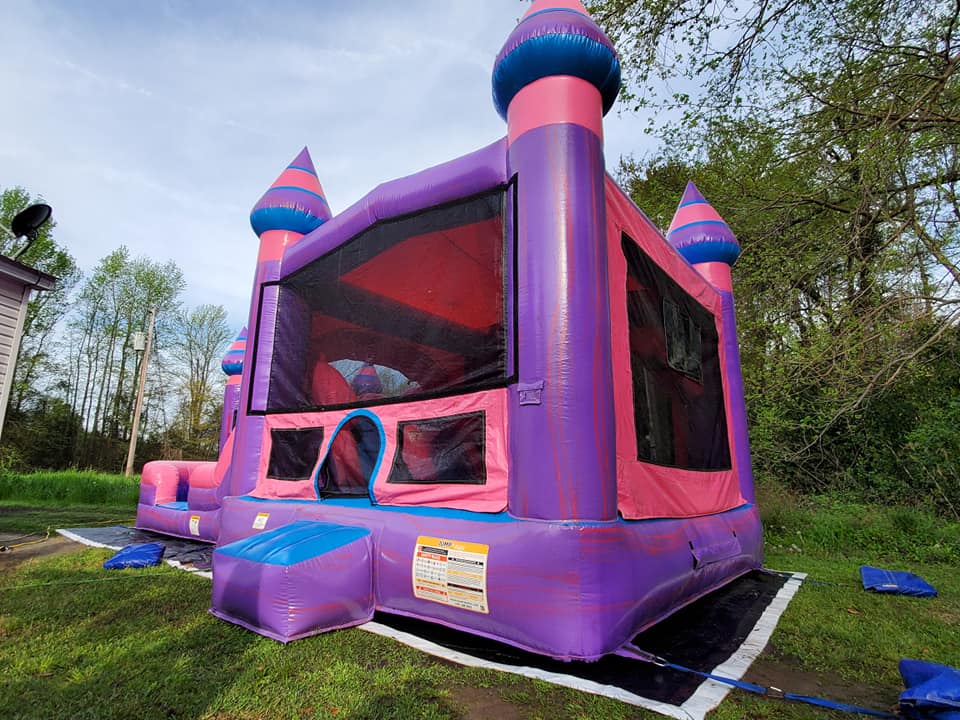
Expanding service offerings to include sports inflatables with year-round appeal provides revenue during traditional slow periods. Indoor bounce houses for birthday parties and school events maintain equipment utilization when outdoor tournaments pause. Diversified inventory reduces seasonal revenue fluctuations while building broader customer relationships.
How Do Providers Balance Indoor and Outdoor Event Needs?
Maintaining separate inventory categories for indoor and outdoor events prevents weather-related wear from compromising equipment quality. Outdoor furniture prioritizes durability and weather resistance, while indoor options emphasize aesthetic presentation and style variety. This segmentation protects investment value and ensures appropriate equipment matches venue requirements.
Storage capacity planning accommodates seasonal inventory shifts as outdoor equipment returns during fall, while indoor event supplies increase. Efficient warehouse organization enables quick transitions between event types without equipment conflicts during overlapping booking periods. Providers offering comprehensive rental packages with weather-resistant commercial bounce house water slide units serving both markets maximize facility utilization and return on inventory investments.
Integrating Convenience, Quality, and Experience in Sports Team Party Rentals
Successful sports team party rentals deliver memorable athletic celebrations through strategic equipment selection and professional service execution. Providers balancing affordability with quality equipment create value propositions appealing to budget-conscious volunteer organizers. Understanding that 95% of consumers prioritize cost while 88% demand convenience shapes effective package development and service delivery.
End-of-season parties strengthen team bonds and community engagement within expanding youth sports markets, projecting 10.68% annual growth. Athletic event rentals supporting these celebrations require specialized knowledge of sports community preferences and seasonal demand patterns. The party rental industry's projected growth to $50.59 billion by 2034 demonstrates a substantial opportunity for providers serving sports teams and community athletic programs.
Quality rental providers like JumpOrange support rental business operators with reliable inventory and comprehensive support services, building sustainable operations. Their expertise helps entrepreneurs develop differentiated offerings in competitive markets through product selection and operational guidance.
Stock Your Next Sporting Event With JumpOrange
From end-of-season celebrations to full field tournaments and family reunions, the right gear turns a single booking into repeat business. JumpOrange equips rental operators with commercial-grade bounce houses, inflatable obstacle courses, and inflatable games built to handle back-to-back weekends in any outdoor space. Add inventory that your customers remember, and your team-building events start selling themselves. Explore the JumpOrange sports inflatables collection and build a lineup that keeps athletes, parents, and organizers coming back.


Leave a comment
This site is protected by hCaptcha and the hCaptcha Privacy Policy and Terms of Service apply.