
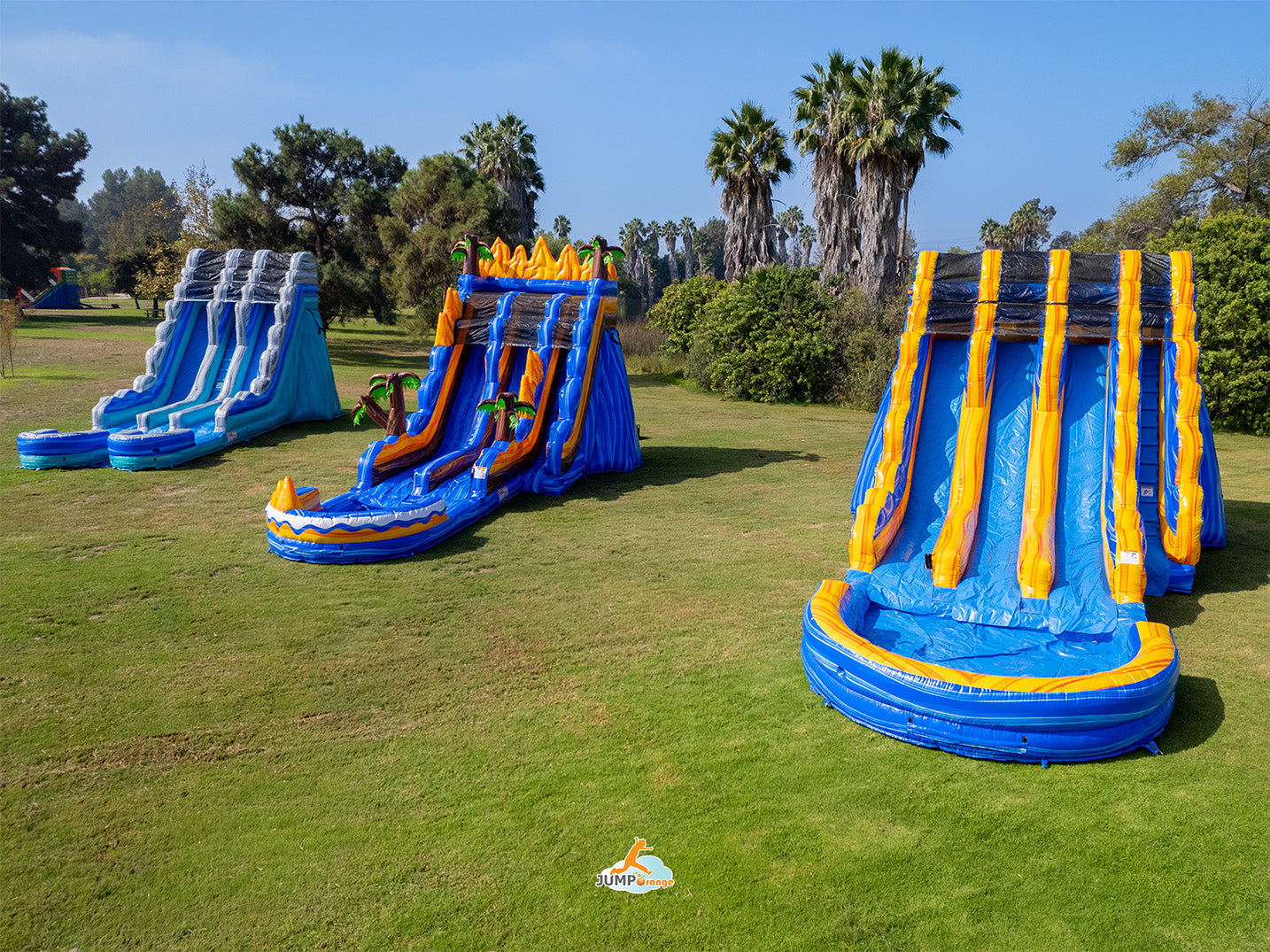
Educational institutions represent one of the most reliable revenue streams in the party rental industry. School event rentals featuring heavy-duty inflatable water slides generate recurring bookings through established relationships with Parent-Teacher Associations and administrative staff who organize field days, carnivals, and graduation celebrations. Understanding the unique decision-making structures and budget constraints separates profitable providers from price-only competitors.
The event rental market is projected to reach $32.03 billion by 2030, with institutional clients prioritizing safety and reliability. Schools require vendors who understand child safety standards, provide transparent pricing, and deliver consistent service. Building trust requires demonstrating compliance, maintaining quality equipment, and reducing operational burden on volunteer organizers.
Key Takeaways
- PTAs and school administrators control rental decisions, prioritizing safety compliance and cost-efficiency over aesthetics
- ASTM F2374 standards govern commercial inflatables, requiring strict operational protocols and liability insurance verification
- School budgets rely heavily on fundraising revenue, making bundled packages and transparent pricing essential
- Multi-event contracts reduce administrative burden for volunteer organizers while securing predictable income for providers
-
School event rentals differ fundamentally from corporate and church markets in budget constraints and decision-making timelines
What Are School Event Rentals and Who Are the Key Decision Makers?
School event rentals provide entertainment, seating, and equipment for gatherings held across school facilities throughout the academic year. From a classroom party to a large public school activity on the main field, PTA presidents, school administrators, event coordinators, and PTA treasurers determine which vendors receive contracts based on safety records, pricing transparency, and service reliability.
Decision-making authority typically resides with Parent-Teacher Associations or Parent-Teacher Organizations, which control dedicated budgets for student enrichment. Converting school parents into repeat rental clients requires understanding their dual role as event organizers and potential individual customers. In larger districts, PTA Councils coordinate vendor recommendations across several member schools, so one strong impression can open doors at multiple campuses. These volunteer-led committees evaluate vendors through formal proposal processes emphasizing documentation and compliance.
Roles of PTAs and School Administrators
Parent-Teacher Associations manage event budgets and vendor selection while administrators approve contracts and ensure compliance. PTAs and PTOs function as independent organizations that fundraise separately from general school budgets, creating distinct financial priorities. School administrators retain final authority over safety protocols and insurance requirements, and many follow school district policies that dictate approved vendor lists and minimum coverage levels.
Successful PTA collaborations require engagement with multiple stakeholders across different approval levels. Administrators focus on liability protection and regulatory compliance while PTA boards prioritize maximizing fundraising proceeds. Vendors must address both constituencies by demonstrating safety credentials that satisfy administrators while offering cost structures that preserve PTA profit margins.
Typical School Event Types and Rental Needs
Field days require obstacle courses and sports inflatables accommodating continuous student rotation. Many of these events take place on artificial turf fields, which call for sandbag anchoring instead of ground stakes to protect the playing surface. Carnivals demand diverse entertainment, including bounce houses, game booths, and concession equipment. Fundraising events combine seating for hundreds with auction displays and stage equipment.
Graduation celebrations incorporate formal elements like staging and sound systems alongside casual entertainment. End-of-year field days and spring carnivals represent peak demand when schools compete for limited vendor availability. Educational inflatables designed for simultaneous use by multiple children prove especially valuable for high-attendance events with strict time constraints.
Budgeting Considerations for PTA-Organized Events
School budget constraints rely heavily on fundraising revenue rather than institutional allocations, creating price sensitivity across procurement decisions. PTAs evaluate total cost, including delivery, setup, teardown, and potential damage fees, when comparing proposals.
Delivery fees ranging from $20-$150 and setup costs of $50-$200+ significantly impact total expenses for budget-conscious organizers. Transparent pricing that clearly itemizes all charges helps PTAs accurately forecast expenses and avoid overruns. Bundled packages combining inflatables with tables, chairs, and concessions often win contracts by simplifying procurement and demonstrating clear value.
Why Are Safety and Compliance Critical in School Rentals?
Child safety standards represent the primary selection criterion for educational institutions evaluating rental providers. Schools face significant liability exposure from student injuries, making compliance documentation and insurance verification non-negotiable. Ninety-five percent of customers prioritize safety compliance when selecting rental providers, with institutional clients showing even higher emphasis.
Administrative approval processes require vendors to demonstrate adherence to industry standards before PTAs can proceed with bookings. Insurance requirements for bounce house rental businesses include general liability coverage and certificates naming schools as additional insured parties. Schools increasingly require proof of regular equipment inspections and maintenance protocols.
The ASTM F2374 Standards for Inflatables
ASTM F2374 establishes comprehensive standards governing the design, manufacture, operation, and maintenance of commercial inflatable amusement devices. This standard specifically covers commercial-grade inflatables, which are flexible fabric devices relying on air pressure for structural integrity. ASTM F2729 addresses residential, toy-grade units unsuitable for institutional use.
Commercial inflatables meeting ASTM F2374 requirements include mandatory anchoring specifications and operational protocols. Wind speed limits typically range from 15-25 mph, requiring immediate deflation when conditions exceed manufacturer specifications. Vendors must provide documentation proving equipment compliance and staff training before schools approve usage.
Insurance and Liability Requirements
Liability concerns for institutional clients exceed individual consumer worries due to schools' duty of care responsibilities. Insurance and compliance requirements for institutional clients typically mandate $1-2 million general liability coverage with schools named as certificate holders. Vendors without adequate coverage face immediate disqualification regardless of pricing or equipment quality.
Water slide safety guidelines demonstrate the documentation depth schools expect from providers handling high-risk equipment. Schools require proof of regular safety inspections, maintenance logs, and operator training certifications. Some administrators also ask vendors to complete a school facility inspection report before each event, confirming that setup areas, power sources, and anchor points meet site requirements. These requirements create significant competitive barriers protecting established vendors with strong compliance programs.
Impact of Safety on Vendor Selection
Safety compliance verification determines which vendors receive consideration before price negotiations begin. Schools immediately eliminate providers unable to demonstrate current insurance certificates and equipment compliance documentation during preliminary screening.
Request maintenance logs or recent photos during vendor evaluation to assess commitment to safety protocols. Equipment damage rates around 22% industry-wide demonstrate why schools scrutinize maintenance practices before approving agreements. Vendors who proactively provide inspection documentation and safety certifications signal professionalism that resonates with risk-averse decision-makers.
How Do Schools Prioritize Vendor Services and Pricing?
Cost-efficiency drives vendor selection after safety requirements eliminate non-compliant providers. Schools evaluate total delivered cost rather than item pricing alone, examining delivery fees, setup charges, and potential penalties. Eighty-five percent of customers prioritize reliability, with schools showing even higher emphasis given volunteer organizers' limited event management experience.
Bundled packages including equipment, delivery, setup, and teardown appeal to budget-conscious PTAs simplifying procurement. Handling logistics of jumper obstacle course rentals efficiently reduces operational burden on volunteer committees managing complex multi-activity events. Schools prefer vendors offering comprehensive solutions over those requiring separate coordination of multiple services.
Cost-Efficiency and Bundled Package Preferences
Standard folding chairs rent for $2-$3.50 while banquet tables cost $8-$12. Resin or padded chairs range from $3.50-$5 and round tables cost $10-$15. Schools typically select budget-tier options to maximize guest capacity within fixed constraints.
Setup and teardown labor costs of $50-$200+ often exceed individual item rental fees, making all-inclusive pricing especially attractive. Delivery fees between $20-$150 vary based on distance, incentivizing schools to select geographically proximate providers. Vendors offering bundled packages that waive delivery fees for orders exceeding minimum thresholds effectively discount services while maintaining perceived value.
Evaluating Full-Service Logistics Options
Schools prioritize full-service solutions to minimize demands on volunteer organizers managing multiple simultaneous responsibilities. Vendors handling delivery, setup, supervision, and teardown remove significant stress from PTA committees lacking professional event management expertise. Coordinating access times with on-site custodial services keeps load-in smooth and avoids conflicts with cleaning or maintenance schedules. This operational support justifies premium pricing schools willingly pay for smooth execution of high-visibility events that draw families and local community groups.
Reliability becomes paramount when volunteer organizers cannot personally troubleshoot equipment failures during active events. Vendors maintaining backup equipment and providing on-site attendants demonstrate commitment to client success that generates referrals and recurring bookings.
Comparing Pricing Tiers for Common Rental Items
Standard bounce houses rent for $150-$250 per day, representing entry-level entertainment options for budget-conscious school events. Larger combo units with slides range from $255-$495 daily, offering enhanced entertainment value that justifies higher costs for flagship events. Schools evaluate cost-per-student-hour when comparing equipment, preferring units accommodating multiple simultaneous users.
Commercial-grade inflatables cost between $1,395-$2,995 to purchase, with maintenance consuming approximately 30% of operational budgets annually. These ownership economics explain why vendors require minimum rental fees. Building a six-figure annual revenue requires maintaining quality equipment and charging rates that cover replacement cycles and compliance costs.
What Are Effective Strategies to Build Trust and Long-Term Partnerships?
Demonstrating consistent reliability across multiple events establishes vendor credibility that generates referrals and secures recurring bookings. Schools value predictable performance over novelty, preferring established relationships with proven vendors to experimenting with unknown providers offering lower pricing.
Multi-event contracts reduce administrative burden for PTAs while providing vendors with predictable income and scheduling certainty. Long-term partnerships allow vendors to understand specific school preferences and operational requirements that improve service delivery. These relationships transform transactional arrangements into collaborative partnerships where both parties invest in mutual success.
Demonstrating Reliability and Quality Maintenance
Assess inventory quality and maintenance records by requesting recent equipment photos and inspection documentation during evaluation. Well-maintained equipment reflects professionalism and signals a commitment to safety that resonates with institutional decision-makers. Vendors providing detailed maintenance logs demonstrate operational sophistication that differentiates them from competitors offering lower prices with questionable quality.
Equipment damage rates around 22% industry-wide emphasize why schools scrutinize maintenance practices before approving multi-year agreements. Maintenance costs consuming 30% of operational budgets explain why premium vendors charge higher rates. Schools recognize these economic realities and willingly pay appropriate rates to vendors, demonstrating commitment to equipment quality and safety compliance.
Negotiating Multi-Event or Multi-Year Contracts
Negotiate multi-event or multi-year contracts that guarantee pricing stability while securing vendor availability during peak spring booking periods. Schools benefit from locked-in rates that simplify budgeting across multiple academic years and eliminate annual vendor selection processes. Vendors gain scheduling certainty and reduced marketing costs through guaranteed bookings.
Establishing long-term partnerships for recurring business creates mutual accountability that improves service quality. Building sustainable annual revenue while working weekends becomes feasible when school contracts provide baseline income predictability. Multi-year agreements should include performance reviews and pricing adjustment mechanisms, maintaining fairness for both parties.
Leveraging Digital Tools for Seamless Booking
Fifty-four percent of customers prefer digital booking systems that allow online equipment selection and contract execution. Digital platforms reduce administrative friction for busy PTA volunteers managing event planning alongside full-time employment and family responsibilities. Automated email campaign workflows that send quotes, reminders, and post-event thank-you notes keep vendors top of mind for the next booking cycle. Vendors offering online catalogs with real-time availability calendars demonstrate operational sophistication appealing to millennial event planners.
Fifty-four percent of global rental activity occurs digitally, reflecting broader consumer preference for self-service capabilities. Schools appreciate vendors providing digital payment processing and automated confirmation systems that create documentation trails for budget accountability.
How Do School Rentals Differ from Corporate and Church Event Rentals?
Budget constraints and fundraising dynamics in schools create fundamentally different vendor relationships compared to corporate or faith-based institutional clients. Schools operate with severely limited budgets, relying on fundraising proceeds rather than institutional allocations or corporate expense accounts. This financial reality makes schools extremely price-sensitive while simultaneously demanding premium safety compliance.
Volunteer-run event management challenges distinguish school rentals from corporate events staffed by professional planners with dedicated budgets. Churches share volunteer management structures with schools, but typically enjoy more flexible budgeting and less stringent regulatory compliance.
Budget Constraints and Fundraising Dynamics in Schools
Corporate budgets typically exceed school or church allocations by significant margins, enabling premium equipment selection. Schools must maximize fundraising proceeds by minimizing rental expenses, creating constant tension between cost containment and event quality. This dynamic requires vendors to offer tiered pricing options accommodating varying budget constraints across different school communities.
Volunteer organizers managing school events lack professional event planning training that corporate HR managers and church ministry directors often possess. This expertise gap increases schools' reliance on full-service vendors who handle operational details that volunteer committees cannot manage effectively. Vendors who patiently educate organizers while delivering reliable service earn loyalty that generates recurring bookings and referrals.
Corporate Emphasis on Aesthetics and Team Building
Corporate events represent 29% of rental spending, driven by larger budgets and emphasis on employee engagement rather than fundraising. Team-building events can yield 7.5x ROI through productivity increases and retention improvements that justify premium entertainment investments. Well-designed team events increase productivity by 14% while decreasing employee turnover by 45%.
Corporate clients prioritize aesthetic quality and brand alignment over cost minimization. Sports inflatables for school and church rentals differ from corporate team-building equipment in design emphasis and branding customization options. Corporate events featuring team-building and employee engagement activities require interactive elements that facilitate structured competition.
Community and Family Focus in Church Events
Church events including fall festivals, vacation bible school kick-offs, community block parties, and holiday celebrations emphasize family-friendly entertainment. Faith-based organizations typically enjoy more budgetary flexibility than schools while maintaining similar volunteer management structures and safety priorities. Churches often book larger-scale setups with multiple simultaneous activities serving broader community attendance.
Church ministry budgets allocate funds specifically for community outreach and youth programming that reduce price sensitivity compared to schools. These organizations value vendors who understand faith community values and provide appropriate entertainment options for multigenerational attendance. Long-term church relationships often span decades as congregations develop trusted vendor partnerships for annual recurring events.
What Are the Key Competitive Dynamics in the Institutional Rental Market?
Over 85,000 event rental providers exist globally, creating fragmented markets with intense local competition for institutional client relationships. Top five companies control 25-30% of global revenue while mid-sized regional firms account for 58% of market activity. Small niche providers make up 16% of the market, often specializing in specific equipment categories or geographic territories.
CORT achieves 12-16% higher average order values than competitors through premium inventory and comprehensive service offerings. Market concentration continues increasing as regional consolidation creates larger operators with broader equipment inventories and enhanced capabilities.
Market Leader Strategies and Regional Players
National market leaders pursue acquisition strategies to expand geographic coverage and eliminate regional competitors in key metropolitan markets. Regional firms maintain competitive advantages through local relationships and operational flexibility that larger companies cannot easily replicate. Mid-sized providers often specialize in institutional markets where relationship continuity and local responsiveness outweigh national brand recognition.
Top-tier companies invest heavily in compliance infrastructure and safety certifications that create competitive moats protecting against low-price competitors. These investments prove especially valuable in institutional markets where procurement processes prioritize safety credentials over pricing.
Trends in Sustainability and Digital Transformation
Eco-friendly rental segments grow at 28% year-over-year as corporate clients increasingly prioritize environmental responsibility in procurement. Seventy-two percent of customers value sustainability, with corporate and educational institutions leading the adoption of green event practices. Schools particularly appreciate vendors offering reusable equipment and minimizing waste generation, which aligns with environmental education curricula.
Digital transformation initiatives enable vendors to offer 3D catalog previews and seamless online booking that reduces transaction friction. These technological capabilities appeal especially to younger PTA members and corporate event planners expecting consumer-grade digital experiences.
Consolidation and One-Stop-Shop Solutions
Industry consolidation creates larger vendors offering comprehensive equipment inventories that eliminate schools' need to coordinate multiple specialty providers. One-stop-shop solutions reduce administrative burden for volunteer organizers while providing vendors opportunities to increase order values through bundling. Schools prefer consolidated vendors who can supply inflatables, seating, tents, and concessions through single contracts.
This market trend favors established providers with diverse equipment portfolios over specialized operators focusing on single product categories. Regional acquisitions allow vendors to expand service territories while maintaining local relationships that institutional clients value.
How Can Rental Providers Optimize ROI for Schools and PTAs?
Balancing cost, quality, and safety compliance creates value propositions that schools recognize and compensate through recurring contracts. Vendors demonstrating clear ROI through enhanced fundraising proceeds and reduced organizational stress justify premium pricing that budget-focused procurement initially resists. Sixty-two percent of customers prioritize quality and aesthetics, though schools weigh these factors differently than corporate or individual clients.
Successful institutional vendors frame pricing discussions around total value delivered rather than individual item costs that obscure comprehensive service benefits. Schools appreciate vendors who understand their dual mandate of fiscal responsibility and child safety.
Balancing Cost, Quality, and Safety Compliance
Safety compliance represents non-negotiable baseline requirements that qualify vendors for consideration regardless of pricing competitiveness. Quality maintenance demonstrates operational commitment that reassures risk-averse administrators approving vendor contracts. Cost efficiency matters significantly, but only after vendors satisfy safety and quality thresholds.
Vendors should emphasize the total cost of ownership, including reliability, safety records, and administrative simplicity when competing for school contracts. Schools recognize that the cheapest initial pricing often generates higher total costs through equipment failures, safety incidents, and operational complications. Transparent pricing that clearly itemizes safety investments and maintenance protocols justifies appropriate rates while building institutional confidence.
Reducing Operational Burden on Volunteer Organizers
Full-service delivery, setup, and teardown eliminates significant stress from volunteer committees managing complex events without professional backgrounds. Vendors providing detailed timelines, equipment specifications, and safety briefings reduce organizer anxiety and improve execution quality. Treating each booking as a small project management exercise, with clear owners and checkpoints, helps prevent the last-minute scrambles that frustrate volunteers. This operational support creates tremendous value that schools appreciate and compensate through premium pricing and contract renewals.
Simplified procurement processes using bundled packages and digital booking systems reduce administrative friction for busy volunteers. Vendors who proactively communicate, arrive punctually, and handle all logistics without requiring organizer intervention earn enthusiastic referrals.
Enhancing Event Experience to Support Fundraising Goals
High-quality entertainment and professional event execution directly impact fundraising proceeds by increasing attendance and participant spending. Vendors who understand this connection help PTAs maximize net proceeds by balancing rental costs against enhanced revenue generation. Well-executed events create positive community impressions that drive attendance growth and donor contributions for future fundraising initiatives.
Equipment quality and variety influence attendee satisfaction and word-of-mouth promotion that builds event reputations over multiple years. Schools hosting memorable annual events develop community traditions that increase attendance and fundraising effectiveness. Vendors contributing to these outcomes become valued partners rather than transactional suppliers.
Navigating School Event Rentals: Building Lasting Partnerships with PTAs and Administrators for Recurring Success
Educational institutions offer rental providers stable revenue through annual event cycles requiring safety-certified equipment and reliable service delivery. Success requires understanding the distinct budget constraints, compliance requirements, and volunteer management challenges that differentiate school event rentals from corporate events. Vendors who demonstrate consistent quality while reducing administrative burden establish trusted relationships, generating recurring bookings.
The institutional rental market rewards providers who invest in proper safety certifications, maintain quality equipment, and deliver exceptional service. Schools prioritize vendor reliability and child safety over pricing alone, creating opportunities for premium providers to build sustainable businesses. JumpOrange supports rental professionals building institutional client relationships through commercial-grade equipment and compliance documentation that satisfies stringent school requirements.
Win the Next PTA Contract with JumpOrange
Schools say yes to vendors who arrive prepared, certified, and easy to work with. JumpOrange equips rental pros with commercial-grade inflatables, NJ/PA-approved options, and the compliance documentation administrators ask for, so you can pass safety screening and protect your PTA margins at the same time. Join the JEM Club for member pricing and free shipping on qualifying orders, then turn a single field day into a standing school partnership. Explore the JumpOrange collection today and book the equipment that keeps schools coming back.


Leave a comment
This site is protected by hCaptcha and the hCaptcha Privacy Policy and Terms of Service apply.